
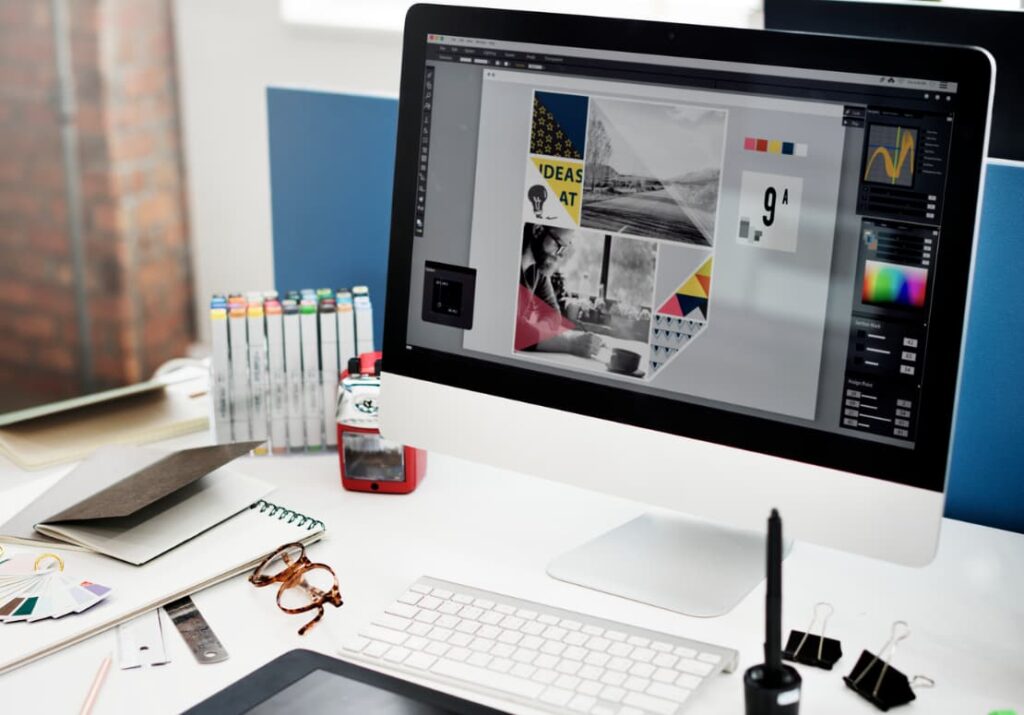
Design tools shape how creative professionals approach their daily work.
The right platform can eliminate technical barriers while preserving artistic control.
Traditional software often creates friction between what designers envision and what they can execute efficiently.
Graphic design software gfxrobotection emerges as a solution built for modern creative demands.
It targets users who need professional output without lengthy training periods or complex workflows.
Graphic Design Software GFXRobotection
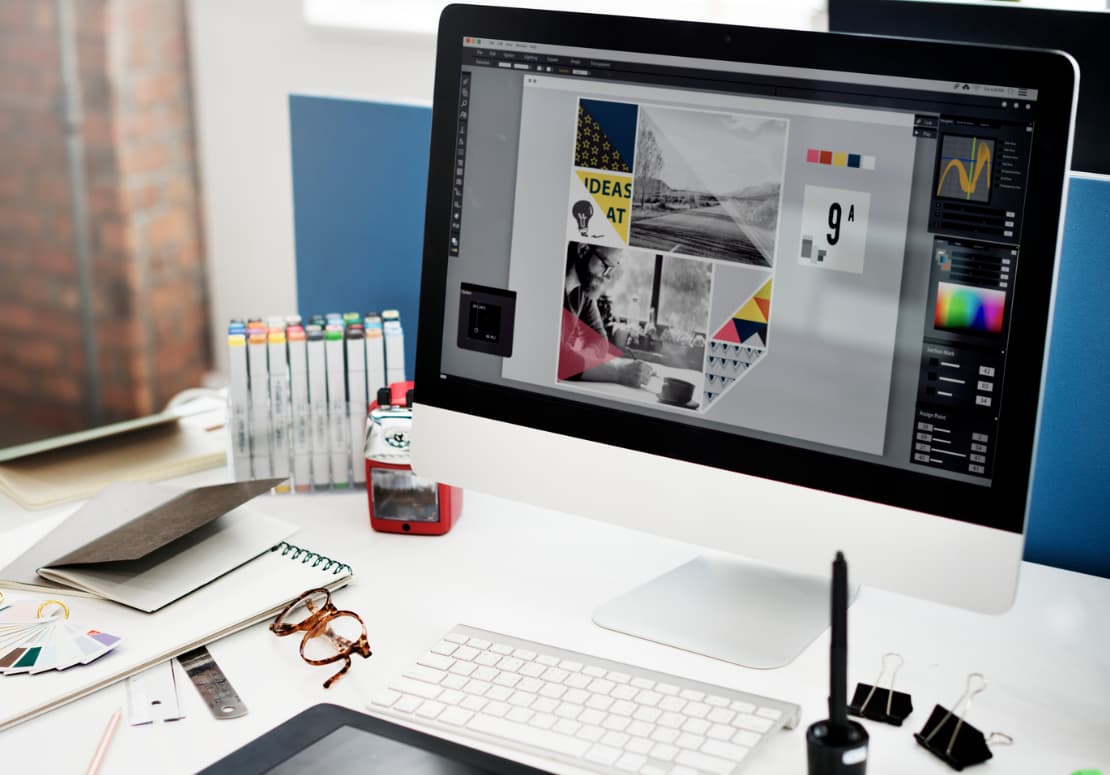
This guide examines the platform’s capabilities, compares it with established alternatives, and identifies which users benefit most from its approach.
Understanding these elements helps determine whether this tool aligns with specific project requirements.
What Is Graphic Design Software GFXRobotection?
Graphic Design Software GFXRobotection is an artificial intelligence-enhanced platform designed to simplify visual content production.
It combines automated design assistance with flexible editing capabilities in a cloud-accessible interface.
The software addresses the time gap between concept and execution. Manual layout adjustments, color calibration, and spacing corrections typically consume hours of production time.
This platform automates these technical tasks while maintaining user control over creative decisions.
Primary functions include logo creation, social media graphics, marketing materials, and branding assets.
The system works through smart templates enhanced by machine learning algorithms that adapt to user preferences.
Cloud architecture enables access from any internet-connected device. This eliminates hardware restrictions common with desktop-only design applications.
Why GFXRobotection Is Becoming a Game-Changer in Graphic Design?
Modern content demands have outpaced traditional design workflows. Brands require a consistent visual presence across multiple platforms, each with unique format specifications.
Manual adaptation for each platform creates bottlenecks. Designers spend more time reformatting than creating. GFXRobotection addresses this through automated resizing and format optimization.
The platform reduces learning curves that typically prevent non-designers from producing quality visuals. Small teams without dedicated design resources can now maintain professional standards internally.
AI-driven suggestions accelerate decision-making during the creative process. Instead of trial-and-error testing, users receive data-informed recommendations based on design principles and successful patterns.
Core Features You Must Know in GFXRobotection
| Feature | Function | Practical Value |
|---|---|---|
| AI Layout Optimizer | Automatically adjusts element positioning based on visual hierarchy principles | Eliminates manual alignment work and improves composition quality |
| Smart Template Library | Industry-specific templates with customizable elements and AI enhancement | Provides professional starting points that adapt to brand requirements |
| Intelligent Color Matching | Analyzes uploaded images and generates harmonious color palettes | Ensures brand consistency across projects without manual selection |
| Multi-Platform Export | Generates optimized versions for different social media and web platforms | Saves hours of manual resizing and format conversion |
| Cloud Collaboration | Real-time multi-user editing with automatic version control | Enables distributed teams to work simultaneously without file conflicts |
| Brand Asset Manager | Stores logos, fonts, and color schemes for consistent reuse | Maintains visual identity across all design projects |
How GFXRobotection Enhances Creativity and Productivity?
- Automated Technical Precision
The AI handles spacing, alignment, and proportion calculations automatically. Designers focus on concept development while the system manages mathematical accuracy. This separation allows faster iteration without quality compromise.
- Intelligent Workflow Acceleration
Repetitive tasks like resizing graphics for multiple platforms happen instantly. What previously required manual recreation for each format now completes through single-click automation. This recovered time redirects toward strategic creative work.
- Adaptive Learning System
The platform observes user preferences and adjusts suggestions accordingly. Frequently chosen fonts, colors, and layouts influence future recommendations. This creates increasingly personalized workflows that match individual creative styles.
- Real-Time Preview Capabilities
Changes appear instantly across different device simulations. Designers see mobile, tablet, and desktop versions simultaneously. This immediate feedback prevents revision cycles caused by unexpected display issues.
How to Use Graphic Design Software GFXRobotection: Complete Step-by-Step Guide
Mastering any design platform requires understanding its workflow from initial setup through final delivery. This section provides a detailed walkthrough of using Graphic Design Software GFXRobotection effectively.
- Step 1: Create Your Account and Access the Dashboard
Navigate to the official GFXRobotection website and locate the registration section. Enter your email address and create a secure password following the platform’s requirements.
Check your inbox for the verification email and click the confirmation link. This activates your account and grants immediate access to the cloud-based interface.
Log in using your credentials to reach the main dashboard. The interface loads directly in your browser without requiring downloads or installations.
- Step 2: Select Your Project Category
The dashboard displays project categories including social media graphics, branding materials, marketing content, presentations, and print designs. Click the category that matches your current project needs.
Each category filters the template library and tool options to match specific format requirements. This targeted approach eliminates irrelevant choices and streamlines your workflow.
- Step 3: Choose a Template or Start From Scratch
Browse the smart template collection curated for your selected category. Templates include pre-configured layouts optimized for different platforms and design purposes.
Click any template to preview its structure and elements. Select one that aligns with your vision or choose the blank canvas option for complete creative freedom.
- Step 4: Familiarize Yourself With the Editing Interface
The editing workspace opens with your chosen template or blank canvas at the center. The left sidebar contains all design tools organized by function, including text, images, shapes, and effects.
The top toolbar displays project controls like save, undo, redo, and preview options. The right panel shows AI suggestions and layer management features.
- Step 5: Customize the Basic Layout Structure
Click and drag any element to reposition it within the canvas. The AI displays alignment guides automatically as you move objects, helping maintain visual balance.
Resize elements by clicking and dragging corner handles. The system maintains proportions automatically unless you manually override this setting.
Delete unwanted elements by selecting them and pressing the delete key or using the remove button. Add new elements from the sidebar tool collection.
- Step 6: Add and Format Text Content
Click the text tool in the sidebar and select your preferred text type, such as heading, subheading, or body text. Click anywhere on the canvas to place a text box.
Type your content directly or paste from external sources. Highlight text to access the formatting toolbar showing font options, sizes, colors, alignment, and spacing controls.
The AI suggests typography pairings that complement your chosen font. Review these recommendations and apply them with a single click if they match your design vision.
- Step 7: Upload and Position Visual Elements
Access the image upload feature from the sidebar. Drag image files directly into the interface or click to browse your device folders.
Position uploaded images by clicking and dragging them to the desired locations. The platform automatically suggests optimal sizing and cropping options based on composition principles.
Use the background removal tool if needed to isolate subjects from their original backgrounds. This feature works automatically with single-click activation.
- Step 8: Apply Colors and Build Your Palette
Click any element to access its color settings. Use the color picker to select specific shades or enter hex codes for exact brand colors.
Upload your logo to trigger the intelligent color-matching feature. The AI analyzes the logo and generates complementary color palettes that maintain brand consistency.
Save your color scheme to the brand asset manager for automatic application across future projects.
- Step 9: Leverage AI Design Suggestions
Monitor the right-side panel where AI recommendations appear continuously as you work. Suggestions cover layout improvements, color adjustments, typography changes, and spacing optimization.
Click any suggestion to preview how it affects your design. Apply recommendations that enhance your vision or dismiss those that don’t align with your creative direction.
The system learns from your choices and refines future suggestions based on your acceptance and rejection patterns.
- Step 10: Review Design Across Multiple Formats
Click the preview button in the top toolbar to access the multi-format viewing mode. Toggle between desktop, mobile, and tablet displays to verify how your design appears across different devices.
Check text readability, image clarity, and overall composition at each size. Make necessary adjustments to ensure consistent quality across all viewing contexts.
- Step 11: Optimize for Multiple Platforms Simultaneously
Access the automated resizing feature to generate platform-specific versions. Select target platforms like Instagram, Facebook, LinkedIn, Twitter, and Pinterest from the available options.
The system creates optimized versions with correct dimensions for each platform automatically. Review each version to ensure critical elements remain visible and properly positioned.
- Step 12: Export Your Completed Design
Click the export button to access format and quality settings. Select file types based on intended use, such as PNG for web graphics, PDF for print materials, or SVG for scalable vector needs.
Choose resolution settings appropriate for your delivery platform. High-resolution exports work for professional printin,g while web-optimized versions reduce file sizes for faster loading.
Download exported files to your device or save directly to connected cloud storage services. The platform automatically retains the original editable project file.
- Step 13: Save and Organize Your Project
All work saves automatically to cloud storage during the editing process. Manually trigger saves at critical points using the save button for additional security.
Create project folders to organize completed designs by client, campaign, or project type. Use descriptive names that make retrieval easier as your design library expands.
- Step 14: Set Up Collaboration for Team Projects
Access sharing settings from the project menu. Enter collaborator email addresses and assign appropriate permission levels such as edit access or view-only status.
Team members receive project invitations and can access shared designs through their own accounts. Real-time synchronization displays changes as they occur, preventing version conflicts.
Use the comment feature to provide feedback and discuss revisions without leaving the platform. This centralizes communication and reduces reliance on external messaging tools.
- Step 15: Utilize Brand Asset Management
Navigate to the brand asset manager from the main dashboard. Upload logos, approved fonts, color codes, and other brand elements that require consistent use.
Organize assets into brand-specific folders if managing multiple clients or company divisions. Label each asset clearly to facilitate quick identification during project work.
Apply saved brand assets to new projects with single clicks rather than manual uploads. This ensures visual consistency and eliminates repetitive file management tasks.
GFXRobotection vs Traditional Graphic Design Software
| Aspect | Traditional Software | GFXRobotection |
|---|---|---|
| Learning Requirement | Extensive training is needed for basic competency | Intuitive interface with minimal onboarding time |
| Production Speed | Manual adjustments slow the workflow significantly | AI automation accelerates routine tasks |
| System Demands | Requires high-performance hardware and regular updates | Browser-based access works on standard devices |
| Collaboration Model | File-sharing is dependent on version control issues | Real-time multi-user editing with automatic sync |
| Cost Structure | High upfront licensing with perpetual upgrade fees | Subscription-based predictable pricing |
| Ideal User | Professional designers with technical expertise | All skill levels, from beginners to professionals |
Advanced Tools and AI Features Inside GFXRobotection
The automated resizing engine generates platform-specific versions from a single master design. Instagram, Facebook, LinkedIn, and Twitter formats are created simultaneously with optimized dimensions for each network.
Intelligent typography pairing analyzes font combinations and suggests professional pairings. The system draws from established design principles to recommend hierarchies that improve readability.
Background removal technology isolates subjects from images without manual masking. This feature speeds up product photography editing and composite creation.
The pattern recognition system identifies design trends within uploaded work. It suggests complementary elements that match established visual styles, maintaining consistency across campaign materials.
Batch processing allows simultaneous editing of multiple designs. Apply color scheme changes, font updates, or logo replacements across entire project sets with single commands.
Pros and Cons: An Honest Review of GFXRobotection
| Advantages | Limitations |
|---|---|
| Accessible interface requires minimal design knowledge | Internet dependency limits offline work capability |
| AI automation significantly reduces production time | Advanced pixel-level control is less precise than professional tools |
| Cloud collaboration enables distributed team workflows | Subscription model creates an ongoing cost commitment |
| Regular updates add features without manual installation | Template reliance may limit highly unique custom projects |
| Multi-platform export streamlines format adaptation | Learning curve exists for maximizing AI features |
| Brand asset management ensures visual consistency | File storage limits may require archive management |
Best Use Cases for GFXRobotection (Who Should Use It?)
- Freelance Designers Managing Multiple Clients
Independent contractors benefit from accelerated workflows that allow higher project volume. The platform handles routine design work efficiently, freeing time for complex creative challenges and client communication.
- Small Business Owners Without Design Staff
Companies lacking dedicated creative teams can produce professional marketing materials internally. This reduces outsourcing costs while maintaining control over brand messaging and visual direction.
- Social Media Managers Creating Daily Content
High-volume content creators use the platform for consistent brand presence. Templates ensure uniformity while allowing customization for specific campaigns and seasonal promotions.
- Marketing Agencies Serving Multiple Brands
Agencies managing diverse client portfolios leverage brand asset management for quick context switching. The collaboration features support distributed teams working across time zones.
- Educational Institutions Teaching Design Fundamentals
Schools appreciate the accessible interface that allows students to learn design principles without struggling with software complexity. Focus remains on creative concepts rather than technical mechanics.
Tips and Tricks to Maximize Your Results With GFXRobotection
Establish brand presets before starting project work. Save logos, color palettes, and preferred fonts to the asset manager for instant application across all designs.
Use template customization instead of blank canvas starts when working under tight deadlines. Templates provide professional structures that adapt faster than building from scratch.
Enable AI suggestions actively rather than dismissing notifications. The platform’s recommendations often identify improvements that would require significant time to discover manually.
Export designs in multiple formats simultaneously during the final step. This prevents returning to projects later when different file types become necessary for various platforms.
Organize completed projects into clearly labeled folders from the start. As your design library grows, systematic organization becomes essential for efficient project retrieval.
Final Thoughts on Graphic Design Software GFXRobotection
Visual communication demands continue to increase across business sectors. The tools used to create this content directly impact both output quality and production efficiency.
Best Graphic Design Software solutions balance accessibility with professional capability. GFXRobotection positions itself in this intersection by combining intelligent automation with creative flexibility.
The platform serves users across experience levels without forcing compromise. Beginners access guided workflows while professionals leverage advanced features for complex requirements.
Cloud-based architecture aligns with contemporary work patterns, emphasizing remote collaboration and device flexibility. This positions the software favorably against desktop-only alternatives.
FAQs
- What file formats does Graphic Design Software GFXRobotection support for export?
The platform exports PNG, JPG, PDF, and SVG formats with adjustable resolution settings. Users can optimize files for web use or select high-resolution options for print production.
- Can multiple team members edit the same project simultaneously?
Yes, the cloud-based system supports real-time collaboration. Multiple users can work on projects concurrently with automatic synchronization preventing version conflicts.
- Does the AI design assistant replace the need for creative decisions?
No, the AI handles technical precision while users maintain full creative control. Suggestions can be accepted, modified, or dismissed based on individual creative vision.
- How does the platform ensure brand consistency across projects?
The brand asset manager stores logos, color schemes, and typography preferences. These elements apply automatically across new projects, maintaining visual identity without manual input.
- What happens to projects if internet connectivity is lost during editing?
The system auto-saves progress at regular intervals. Connectivity interruptions preserve the most recent saved version, though real-time editing requires stable internet access.
Conclusion:
Design software selection impacts workflow efficiency and creative output quality.
The right platform reduces technical friction while supporting artistic vision.
Graphic design software gfxrobotection demonstrates how artificial intelligence can enhance rather than replace human creativity.
Automating repetitive tasks, it creates capacity for strategic thinking and original concept development.
The platform addresses practical challenges, including tight deadlines, multi-platform requirements, and collaboration needs.
Its approach makes professional design accessible to broader audiences while supporting experienced practitioners with advanced features.
Also Check:
